Hi there! I’m Lauren and I’ve been beekeeping for a little over 3 years now, but have studied bees and beekeeping for over 10 years. I currently have about 30 hives on 3 different properties throughout Hillsborough County Florida. Bees play an important role in our ecosystem and I love to spread my knowledge to others about it by speaking at events, schools or at markets. Not only do I sell honey, but I also sell colonies and set up/mentor services.

What is Raw Local Honey?
Raw….This means it has not been heated, pasteurized, or highly filtered. As a result, it still contains:
- Natural enzymes
- Pollen
- Beeswax particles
- Nutrients and antioxidants
Local…means it was produced by bees in your geographic area. There’s no strict distance rule, but it usually means:
- From your town, region, or within ~50–100 miles
- Made by nearby beekeepers rather than big commercial producers
- Common reasons people look for raw local honey
- Flavor: It reflects local plants (wildflowers, clover, etc.).
- Minimal processing: Keeps more natural compounds.
- Supports local beekeepers.
- Pollen content: Some people believe local pollen may help with seasonal allergies—research is mixed, but it’s a common claim.
Local raw honey varies in color from batch to batch because bees are essentially “sampling” whatever flowers are blooming at that time and place. Several natural factors affect honey color:
1. Nectar Source (the biggest factor)
Different plants produce nectars with different pigments and mineral contents.
- Light honey: clover, alfalfa, fireweed, basswood
- Dark honey: buckwheat, avocado, wildflower mixes late in season
If the bees forage on a different mix of flowers—even just a slight shift—the color changes.
2. Seasonal Changes
Flowers available in spring, summer, and fall produce noticeably different honey colors:
- Spring honey → usually lighter
- Late-season honey → darker, richer, sometimes reddish or amber
3. Processing (or the lack of it)
Raw honey isn’t heated or filtered much, so natural variation stays visible.
Processed honey is blended to maintain uniform color—raw honey isn’t.
4. Moisture Content & Oxidation
Slight differences in water content and exposure to air can shift color, especially in raw honey.
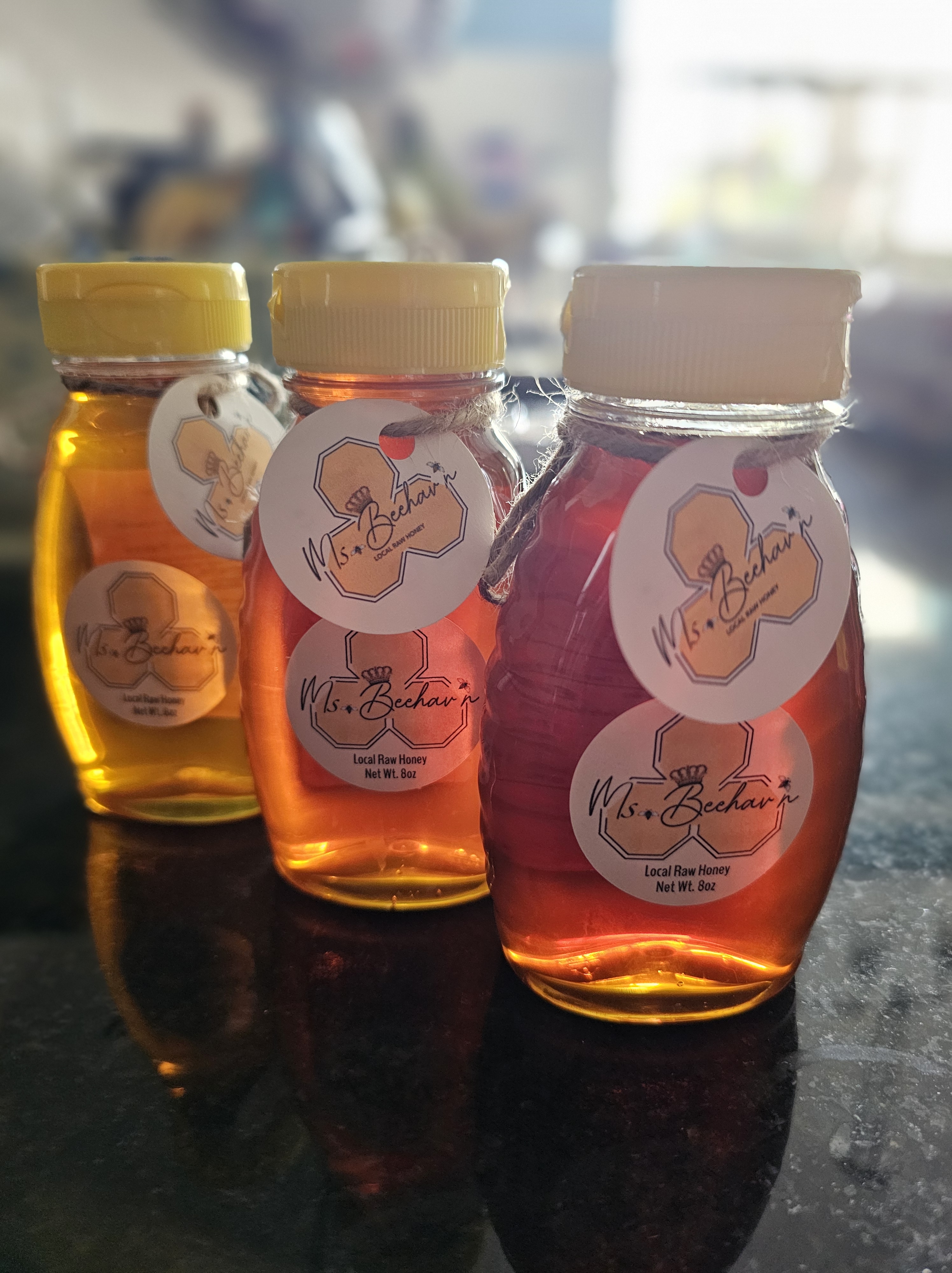
HONEY
8oz
WILDFLOWER
$8.00

12oz
WILDFLOWER
$12.00
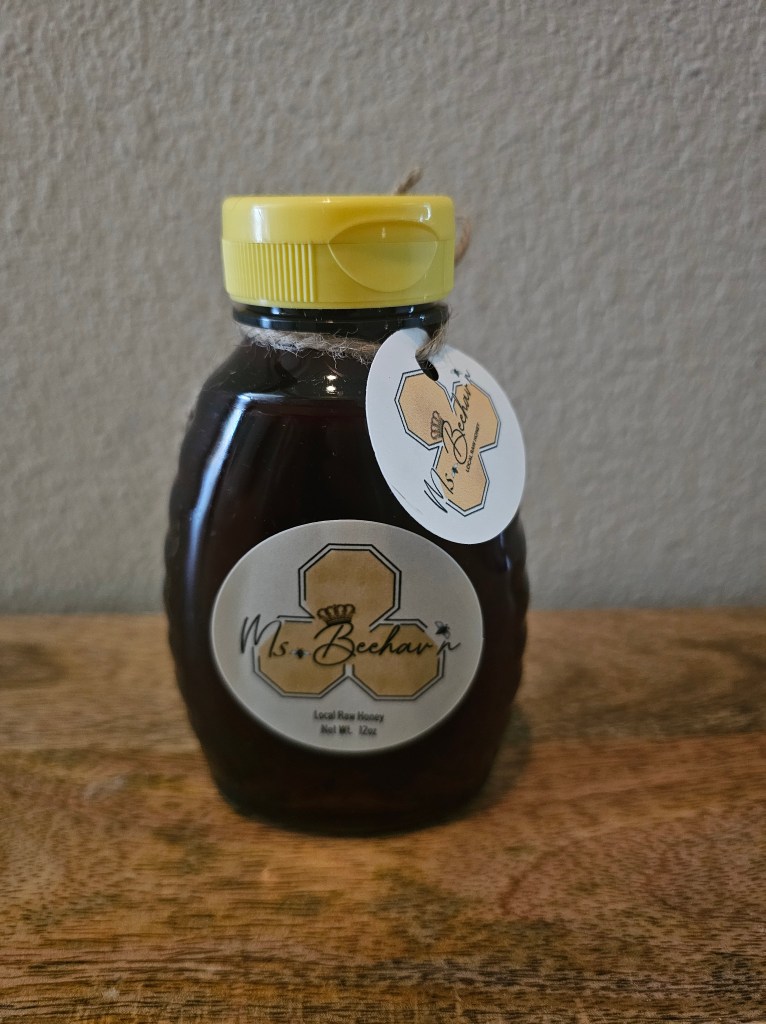
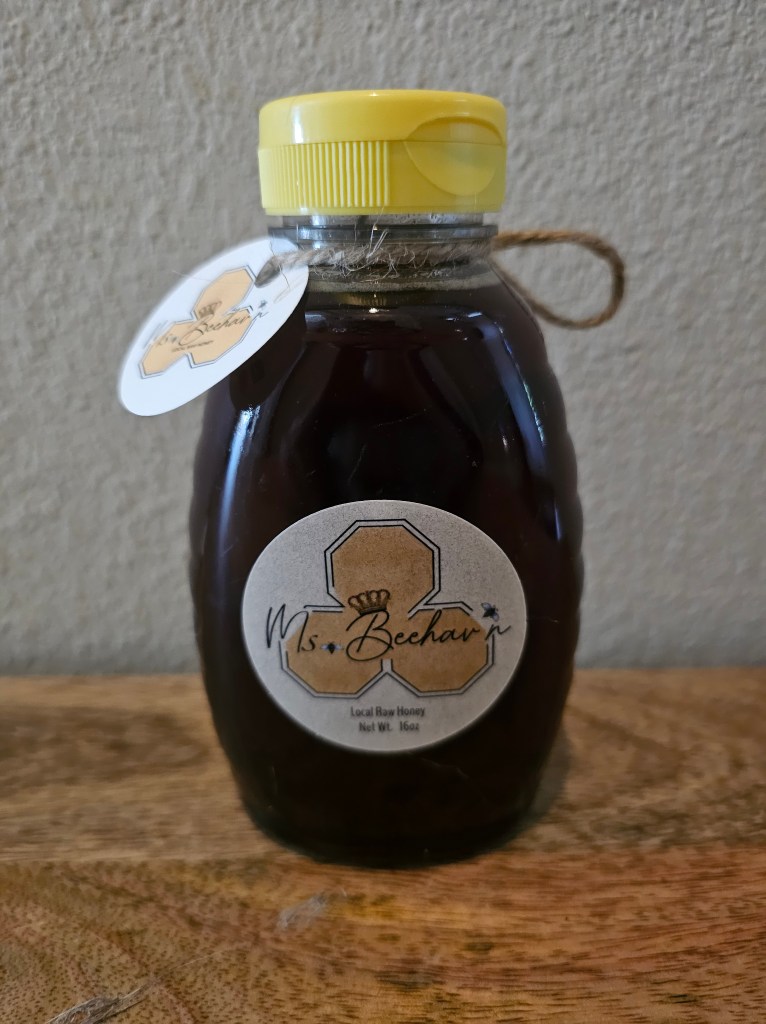
16oz
WILDFLOWER
$16.00
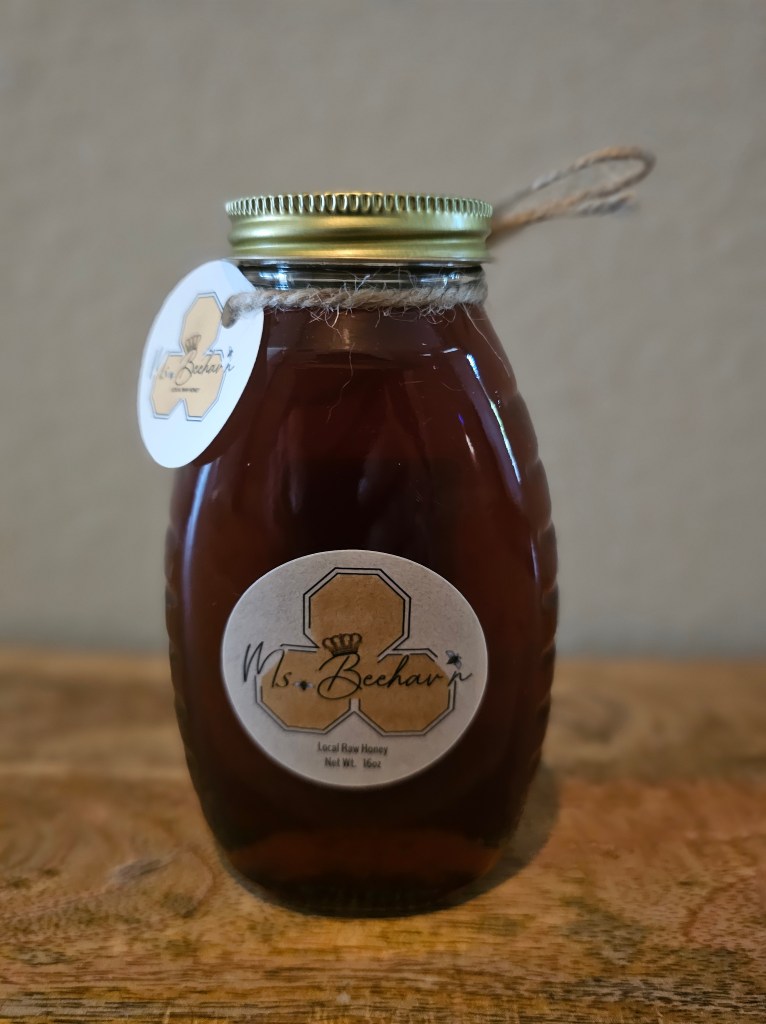
16oz Glass Jar
WILDFLOWER
$18.00
2lb
WILDFLOWER
$32.00

3lb
WILDFLOWER
$40.00

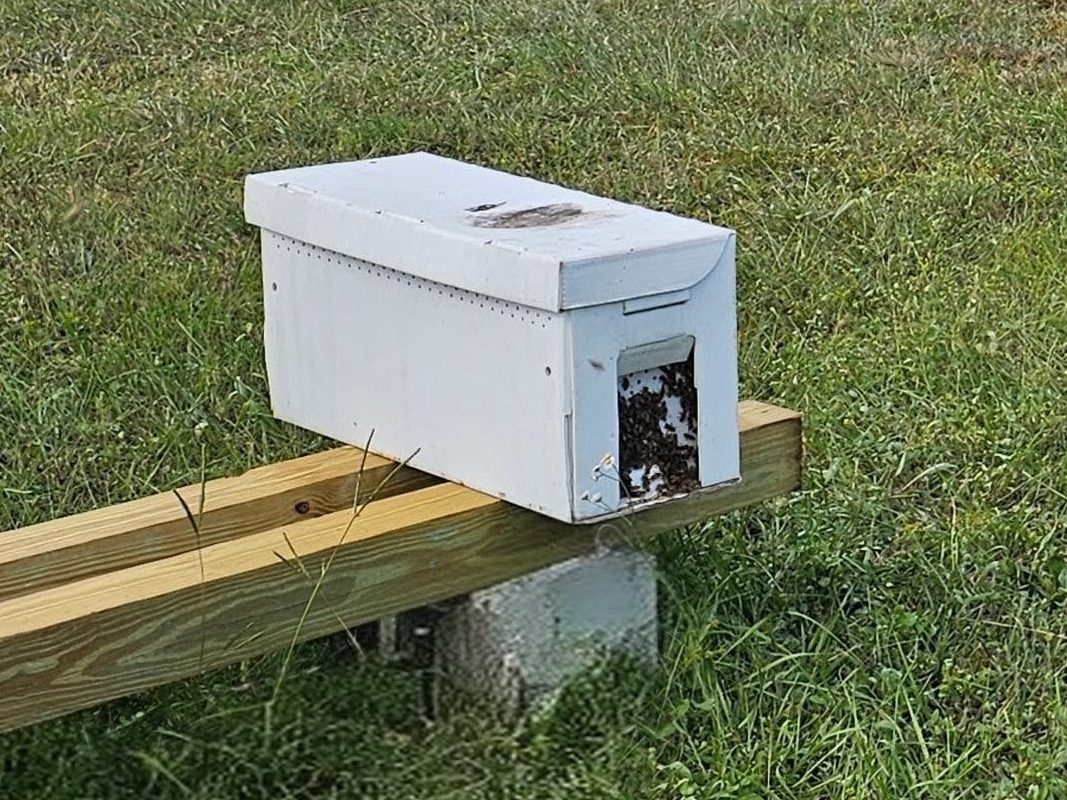
5 Frame Nucleus
3 Frames of brood in varying stages
1 Frame of nectar and or pollen
1 Expansion frame
$170
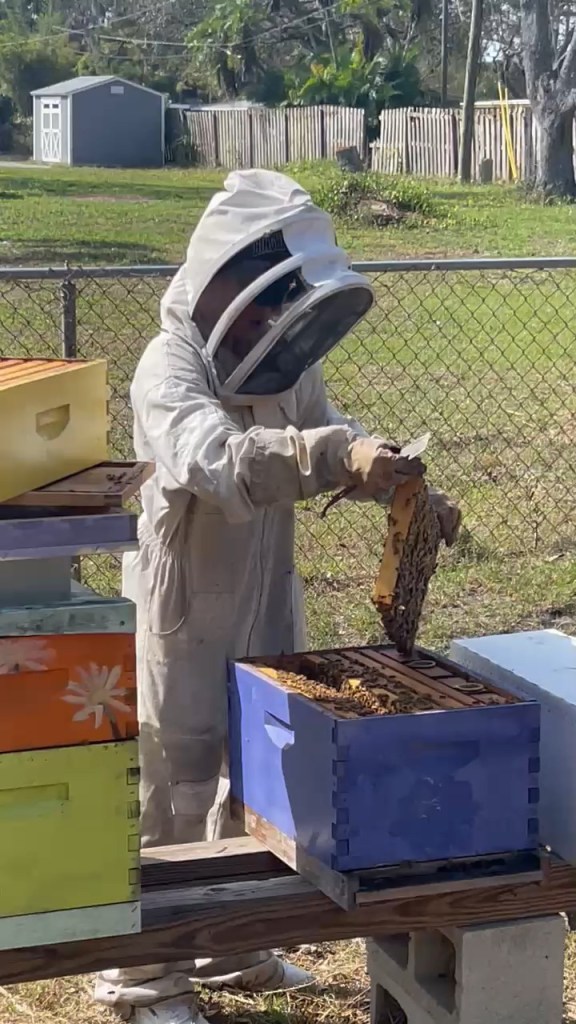
Beekeeping Services
Call for scheduling
Delivery and Installation Service (Hillsborough and Pinellas County Only)- $50
Hive Inspections- $75.00
 Contact
Leave a comment